Night Vision & Thermal
Shop night vision and thermal optics at Extreme Reloading — scopes, monoculars, and imagers from leading brands. Inventory updated every 15 minutes, ships in 24 hours.
Night vision and thermal optics solve two different problems, and picking the wrong one for your use case is the most expensive mistake you can make in this category. Night vision amplifies whatever ambient light is already there — moonlight, starlight, a little skyglow — into a usable image. Thermal doesn't need any light at all; it reads heat signatures directly, which is why it can spot a hog in a pitch-black field or a person hiding behind brush that would hide them completely from night vision. Extreme Reloading stocks both, from entry-level digital night vision to premium thermal riflescopes and handhelds, in stock and shipping in 24 hours from a veteran-owned shop.
Night vision: generations and digital
Traditional night vision comes in generations (Gen 1 through Gen 3), which describe the image-intensifier tube technology inside — higher generations mean a brighter, clearer image in darker conditions and a longer tube lifespan, at a higher price. Digital night vision, which has largely taken over the entry-to-mid price range, uses a sensor and screen instead of an intensifier tube — it's more affordable, often has useful features like video recording and daytime color use, but generally can't match a good Gen 2/3 tube in near-total darkness. For most hunters and recreational shooters working with some ambient light, digital night vision from brands like AGM, ATN, or Sightmark covers the need well. Serious low-light or professional use is where traditional tube-based generations earn their price.
Thermal: resolution and refresh rate
Two numbers matter most on a thermal unit: sensor resolution and refresh rate. Resolution (measured in pixels, like 320x240 or 640x480) determines detail and identification range — a 640 sensor resolves a target at meaningfully longer range than a 320 sensor at the same magnification. Refresh rate (measured in Hz) determines how smoothly the image tracks a moving target; 30Hz is workable for stationary or slow-moving game, 60Hz is the standard for anything moving quickly, like hogs at a run or coyotes working a field edge. Higher resolution and higher refresh rate both add cost, so match the spec to what you're actually hunting rather than buying the biggest number available.
Scope vs. handheld/monocular
A thermal or night vision riflescope mounts directly to your rifle and is built for taking a shot — reticle, zero, recoil rating all factored in. A handheld or monocular is a spotting tool: scan a field, confirm what's out there, then decide whether to shoulder the rifle. Serious hog and predator hunters often run both — a handheld thermal for scanning wide areas efficiently, paired with a dedicated scope (thermal or night vision, depending on target distance and cost) for the shot itself. Buying a scope alone for scanning work quickly gets fatiguing and burns battery life you'll want later.
Mounting and eye relief
Night vision and thermal scopes typically mount the same way conventional scopes do — Picatinny or Weaver rings sized to the unit's tube diameter — but eye relief and mounting position can be less forgiving than a traditional glass scope, especially on hard-recoiling calibers. Check the manufacturer's specified eye relief and ring placement before mounting, and budget for a quality mount; a unit this precise deserves rings that won't shift under recoil.
Battery life and care
Thermal units in particular are power-hungry compared to a standard optic — expect a few hours of continuous run time on internal batteries, more with external battery packs, which serious users often carry as backup on a long hunt. Store units in a padded case, protect the lens from scratches (a soft microfiber cloth only, never anything abrasive), and avoid pointing thermal optics directly at the sun or other extreme heat sources, which can damage the sensor.
Brands we carry
Trijicon and EOTECH for premium thermal and electro-optic sighting systems, Burris and Leupold for thermal and digital night vision scopes, Steiner and Pulsar for handheld thermal monoculars and scopes, AGM and ATN for digital night vision and thermal at a wide range of price points, and TRUGLO, Sightmark, and NcSTAR for accessible entry-level options. Filter by manufacturer on this page to jump straight to a brand's full lineup.
Frequently asked questions
Do I need night vision or thermal? If you're hunting in conditions with some ambient light (moonlit fields, near dusk) and budget matters, night vision is the more affordable path. If you need to detect game or people through brush, fog, or total darkness, thermal is the only technology that reliably does that.
Is thermal legal for hunting where I live? Regulations on thermal and night vision for hunting vary significantly by state and by species (hog and predator hunting at night is commonly allowed where big game hunting at night is not). Check your state wildlife agency's current regulations before you hunt with either technology — this varies too much to generalize here.
Can I use a thermal scope during the day? Yes — thermal reads heat, not light, so it works in full daylight the same as at night. Digital night vision units with color day/night modes can also be used in daylight; traditional tube-based night vision generally should not be used in bright light, as it can damage the intensifier tube.
What's the difference between resolution and magnification? Resolution is a fixed hardware spec (the sensor's pixel count) that determines image detail. Magnification (often digital zoom on thermal units) enlarges the image but doesn't add detail beyond what the sensor captured — heavy digital zoom on a lower-resolution unit produces a blurrier, not clearer, image.
Not sure which unit fits your hunting style or budget? Reach out — we're happy to help you match the right night vision or thermal setup to what you're actually hunting.
Showing 1–12 of 691 resultsSorted by popularity
-
Night Vision & Thermal
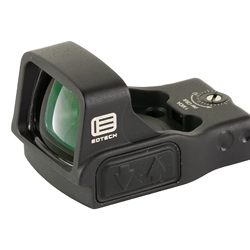
EOTECH EFLX, 3 MOA Red Dot, Aluminum Housing, DPP Footprint, Black
Cash Price: $339.00 / Card Price: $352.56Add to cart -
Night Vision & Thermal
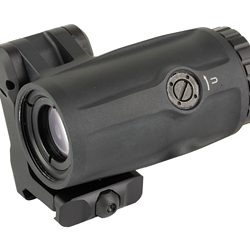
Unity Tactical FAST FTC 4X, Magnifier, 4X Magnification, 2.26″ Optical Height…
Cash Price: $677.00 / Card Price: $704.08Read more -
Night Vision & Thermal
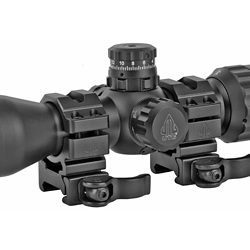
Leapers, Inc. – UTG BugBuster, Rifle Scope, 3-12X32, Mil Dot Reticle, Black, …
Cash Price: $235.97 / Card Price: $245.41Add to cart -
Night Vision & Thermal
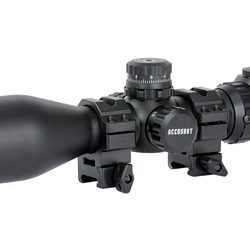
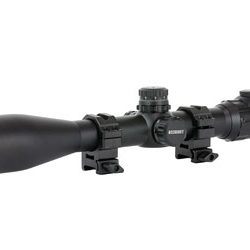
Leapers, Inc. – UTG AccuShot Precision Series Rifle Scope, 3-12X44, Illuminat…
Cash Price: $257.97 / Card Price: $268.29Add to cart -
Night Vision & Thermal
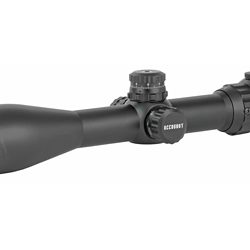
Leapers, Inc. – UTG AccuShot, Rifle Scope, 4-16X 44, 30MM, 36-Color Mil-Dot R…
Cash Price: $271.97 / Card Price: $282.85Add to cart -
Night Vision & Thermal
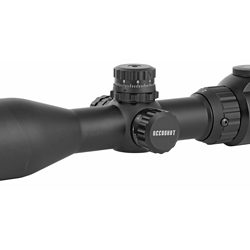
Leapers, Inc. – UTG AccuShot, Rifle Scope, 3-12X 44, 30MM Rings, 36-Color Mil…
Cash Price: $229.97 / Card Price: $239.17Read more -
Night Vision & Thermal
Leapers, Inc. – UTG AccuShot, Rifle Scope, 2-7X 44, 30MM, 36-Color Mil-Dot Re…
Cash Price: $321.97 / Card Price: $334.85Add to cart -
Night Vision & Thermal
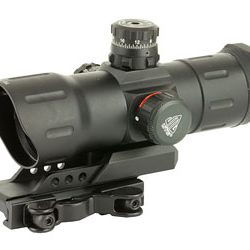
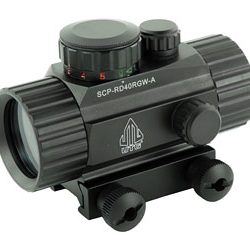
Leapers, Inc. – UTG Sight, 6″, 38mm, Fits Picatinny, Black, Red/Green CQB T-D…
Cash Price: $114.97 / Card Price: $119.57Add to cart -
Night Vision & Thermal
Leapers, Inc. – UTG Instant Target Aiming Sight, 3.8″, 38mm, Black, Red/Green…
Cash Price: $59.97 / Card Price: $62.37Read more -
Night Vision & Thermal
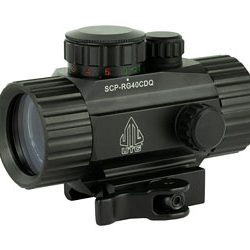
Leapers, Inc. – UTG SWATFORCE Red Dot Sight, Fits Picatinny, New Generation, …
Cash Price: $64.97 / Card Price: $67.57Add to cart -
Night Vision & Thermal
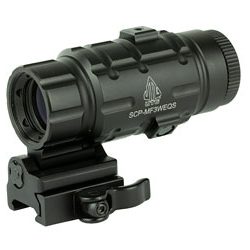
Leapers, Inc. – UTG SWATFORCE Magnifier Series, 25mm, 3X Magnifier with Innov…
Cash Price: $99.97 / Card Price: $103.97Add to cart -
Night Vision & Thermal
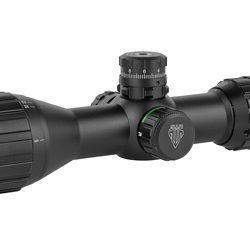
Leapers, Inc. – UTG BugBuster Rifle Scope, 3-9X 32, 1″, Red/Green Illuminated…
Cash Price: $211.97 / Card Price: $220.45Add to cart