Mounts & Rings
Shop mounts and rings at Extreme Reloading — scope mounts, rings, and bases from top brands for rifles, shotguns, and handguns. Inventory updated every 15 minutes.
Whether you're topping a hunting rifle with your first scope or building out a precision rig, the mount is the part that decides whether everything you paid for downstream actually works. A scope with perfect glass and a dialed-in reticle is only as good as the rings holding it — loose rings shift zero, mismatched ring heights create parallax and cheek-weld problems, and the wrong base for your receiver means the whole setup never goes on straight in the first place. Extreme Reloading stocks scope rings, one-piece and two-piece bases, cantilever mounts, red dot risers, and Picatinny/Weaver accessory rails for rifles, pistols, and shotguns — in stock and shipping in 24 hours from a veteran-owned shop.
What to check before you buy
Get these three things right and the rest of the build goes smoothly.
Tube diameter. Rings are sized to the scope's main tube — 1", 30mm, and 34mm are the common sizes. Check your scope's spec sheet, not the objective lens size; tube diameter and objective diameter are two different numbers and mixing them up is the most common return reason on rings.
Ring height. Height needs to clear the objective bell of the scope without sitting so high that you lose cheek weld on the stock. As a rule of thumb: low rings for compact objectives (under 40mm) on a standard stock, medium for most 40-50mm hunting scopes, and high for large objectives or when you're running a raised comb or thick recoil pad. If you're not sure, medium is the safe default for most bolt-action hunting rifles.
Base pattern and receiver. Bases are drilled to match specific actions (Remington 700, Savage, Tikka T3, etc.) or rail systems (Picatinny, Weaver). A Picatinny base fits a Weaver ring in a pinch, but a Weaver base will not reliably hold a Picatinny ring — the slot spacing is different. When in doubt, match base and rings to the same standard.
One-piece vs. two-piece, and cantilever mounts
One-piece mounts (base and rings combined) are more rigid and easier to get aligned correctly on the first try — a good choice if you're mounting a scope for the first time. Two-piece setups give more flexibility in scope positioning, which matters on rifles with a longer or shorter-than-average action. Cantilever mounts extend the rings forward of the base, which is standard practice on AR-platform rifles to get correct eye relief with the scope sitting further out over the barrel.
Red dots, pistol optics, and accessory rails
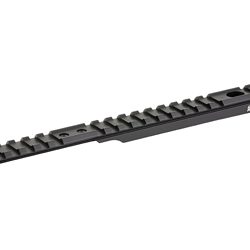
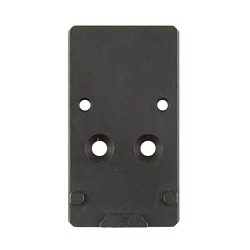
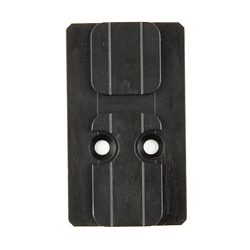
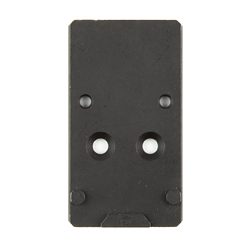
Not every mount on this page is for a rifle scope. Pistol red dot mounting plates match a specific slide milling pattern (RMR footprint, DeltaPoint Pro, Holosun K-footprint, and others) — check your slide's cut before ordering, since the wrong footprint simply won't bolt down. AR-15 shooters running a red dot instead of magnified glass typically want a riser mount that brings the dot up to co-witness height with iron sights, or a lower 1/3 co-witness mount depending on shooting style. Picatinny and Weaver rail sections let you add lights, lasers, bipods, and other accessories to a handguard or forend without permanently modifying the rifle.
Care and re-zero
A mount is a mechanical connection, and mechanical connections work loose over time — recoil, cleaning, and travel all take a toll. Check ring cap screws and base screws for torque periodically, especially after a long shooting session with a hard-recoiling caliber or after the rifle has been in a case during travel. Re-verify zero any time you remove and reinstall a scope, tighten a loose ring, or swap mounts between rifles — even a mount that looks untouched can shift enough to matter at distance.
Popular brands we carry
Leupold, Vortex, Warne, Talley, Weaver, and Burris scope rings and bases, plus Picatinny rail sections and AR-15 optic risers from Midwest Industries and similar makers. Filter by manufacturer on this page to jump straight to a brand's full lineup.
Frequently asked questions
Do I need a gunsmith to mount a scope? Most bolt-action rifles with drilled-and-tapped receivers can be mounted at home with a torque wrench and a bit of patience — a boresight tool afterward speeds up getting on paper. Rifles needing base holes drilled and tapped, or any mount you're not confident torquing yourself, are worth a trip to a gunsmith.
What torque should I use on ring screws? Check the ring manufacturer's spec — it's usually printed on the packaging or their website, commonly in the 15-25 in-lb range for ring cap screws. Overtorquing can crush a scope tube; undertorquing lets the scope shift under recoil. A dedicated inch-pound torque wrench, not a bit driver "by feel," is worth the money.
Can I reuse rings on a different rifle? Yes, as long as the new rifle takes the same base pattern and the tube diameter matches your scope. Re-zero after any remount — even a careful one.
Have questions about matching rings to a specific rifle or scope combo? Reach out — we're happy to help you get the right fit before you order.
Showing 1–12 of 1162 resultsSorted by popularity
-
Mounts & Rings
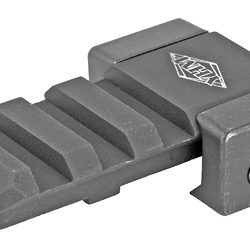
Yankee Hill Machine Co Gas Block Riser, Mount, Black, Picatinny
Cash Price: $45.75 / Card Price: $47.58Add to cart -
Mounts & Rings
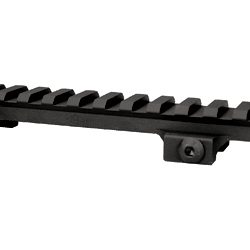
Yankee Hill Machine Co Scope Riser Mount, 1/2″ Rise, 5 1/4″ Long, Black, Pica…
Cash Price: $39.75 / Card Price: $41.34Read more -
Mounts & Rings
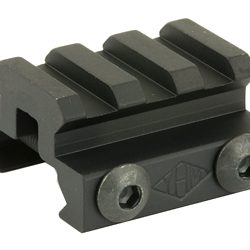
Yankee Hill Machine Co Mini Riser, .5″ rise, Mount, 1 1/4″, Black, Picatinny
Cash Price: $20.75 / Card Price: $21.58Add to cart -
Mounts & Rings
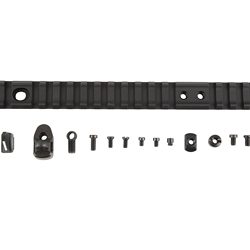
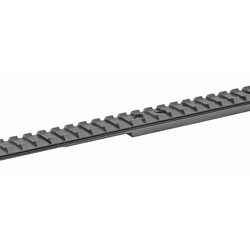
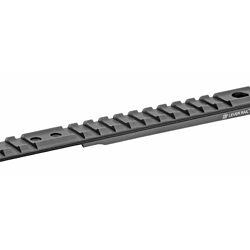
XS Sights Lever Rail, Fits Rossi R95, Anodized Finish, Black, Includes Ghost …
Cash Price: $153.75 / Card Price: $159.90Add to cart -
Mounts & Rings
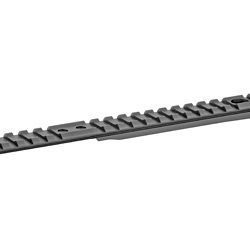
XS Sights Rail, Fits Ruger Gunsite Scout Rifle, Rail with Aperture, Black Finish
Cash Price: $102.49 / Card Price: $106.59Read more -
Mounts & Rings
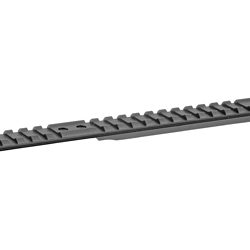
XS Sights Lever Rail, Rail, Fits Marlin 1894, Black, Anodized
Cash Price: $71.74 / Card Price: $74.61Add to cart -
Mounts & Rings
XS Sights Lever Rail, Rail, Fits Marlin 336 and 308MX, Black, Anodized
Cash Price: $71.74 / Card Price: $74.61Add to cart -
Mounts & Rings
XS Sights Lever Rail, Rail, Fits Marlin 1895/45-70/450/444, Black, Anodized
Cash Price: $71.74 / Card Price: $74.61Read more -
Mounts & Rings
XS Sights Lever Rail Mount, Fits Henry .45-70 with Round Barrel, Anodized Fin…
Cash Price: $71.74 / Card Price: $74.61Read more -
Mounts & Rings
XS Sights Minimalist Optic Plate and Sight Set, Fits GLOCK 19 MOS, Converts M…
Cash Price: $128.24 / Card Price: $133.37Add to cart -
Mounts & Rings
XS Sights Minimalist Optic Plate and Sight Set, Fits GLOCK 19 MOS, Converts M…
Cash Price: $128.24 / Card Price: $133.37Add to cart -
Mounts & Rings
XS Sights Minimalist Optic Plate and Night Sight Set, Fits GLOCK 19 MOS, Conv…
Cash Price: $157.48 / Card Price: $163.78Read more